Ah, winter. The season of crackling fires, cozy sweaters, and… potentially exorbitant heating bills? We love the first two, but that last one? Not so much. While central heating is a modern marvel, sometimes you just need a little extra warmth in a specific spot, or perhaps you're looking for a more sustainable, off-grid option. That's where non-electric space heaters come in.
Think of it as the hygge equivalent of a warm hug, but for a room. Forget those noisy, energy-guzzling electric heaters. We're talking about clever, often charming solutions that bring the heat without plugging in. But what are your options? Let's dive in.
Paraffin Heaters: The Classic Choice
Paraffin heaters, also known as kerosene heaters, have been around for ages. They’re a reliable source of heat, especially useful in power outages or for heating garages and workshops. Remember that scene in an old movie where the family huddles around a glowing heater during a blizzard? Chances are, it was a paraffin heater.
Must Read
Practical Tip: Always use the correct type of paraffin or kerosene specified by the manufacturer. Using the wrong fuel can be dangerous and inefficient. Ventilation is key! Crack a window to prevent carbon monoxide build-up.
Propane Heaters: Powerful and Portable
Propane heaters pack a punch. They're often used for outdoor activities like camping, but smaller, indoor-safe models exist. These are particularly useful for heating larger rooms or well-ventilated spaces like sunrooms. They connect to a refillable propane tank, offering a substantial amount of heat.
 윤스매거진 | 윤선생
Fun Fact: Propane is a byproduct of natural gas processing and crude oil refining, making it a relatively abundant and readily available fuel source.
Important Note: Look for models specifically designed and certified for indoor use. These have safety features like oxygen depletion sensors and automatic shut-off valves.
Catalytic Heaters: Silent and Safe
Catalytic heaters utilize a chemical reaction involving a catalyst (usually platinum or palladium) to produce heat. They're incredibly efficient and don't produce a flame, making them safer than some other options. Plus, they operate silently, so you can read a book or watch a movie without any distracting buzzing or whirring. Think of it as the zen master of space heaters.
 PPT - Realignment – AB 109 and AB 117 PowerPoint Presentation, free
Best for: Smaller spaces where quiet operation is essential, like bedrooms or home offices.
Clay Pot Heaters: The DIY Darling
Feeling crafty? You can even make a rudimentary non-electric heater using terracotta pots and tea lights. This DIY option is more about supplementing existing heat and creating a cozy atmosphere than blasting a room with warmth, but it's a fun, sustainable project.
How it Works: The pots trap and radiate heat from the tea lights, creating a gentle warming effect. It's not going to heat your entire house, but it's a delightful little project for a chilly afternoon.
 Words with the prefix "non-" (1,000 results)
Safety First: Never leave burning candles unattended. Place the heater on a heat-resistant surface and keep it away from flammable materials.
The Importance of Ventilation & Safety
Regardless of the type of non-electric heater you choose, ventilation is paramount. These heaters consume oxygen and can produce carbon monoxide, a dangerous, odorless gas. Always ensure adequate ventilation to prevent any health hazards. Investing in a carbon monoxide detector is a smart move.
Pro Tip: Position your heater away from curtains, furniture, and other flammable materials. Keep a fire extinguisher nearby, just in case.
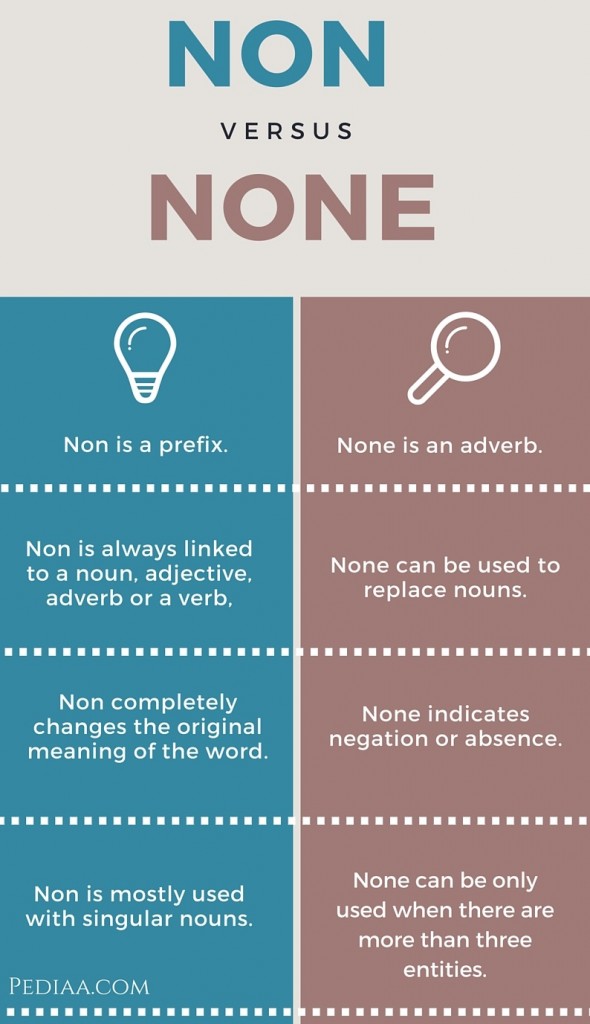
 Non vs None: Which is the Correct Spelling?
Remember: Read the manufacturer's instructions carefully before using any non-electric heater. Understanding how your heater works and following safety guidelines is crucial for a safe and comfortable experience.
A Return to Simplicity
In our hyper-connected, tech-saturated world, there's something profoundly satisfying about a simple, non-electric solution. It's a reminder that comfort and warmth don't always require complex machinery or reliance on the power grid. Whether you're drawn to the classic charm of a paraffin heater, the power of propane, or the quiet efficiency of a catalytic heater, embracing these alternative heating methods can offer a sense of self-reliance and connection to a simpler way of life.
Ultimately, the choice is yours. But by understanding the different options and prioritizing safety, you can enjoy the cozy comfort of a non-electric space heater all winter long. So, grab a book, brew a cup of tea, and bask in the gentle warmth. Winter is calling, and you're ready.