Okay, let's talk ceiling fans. Those majestic, swirling contraptions that hang above us, promising sweet relief from the summer heat. We've all been there, right? Standing in a room, debating whether to flick that switch. But the question lurking in the back of our minds is always: Does this thing just suck up electricity like a thirsty vampire?
Well, buckle up, buttercup, because we're about to dive into the electrifying truth (pun intended!).
The Great Ceiling Fan Myth: Busted!
The short answer? Not really. Think of it this way: your ceiling fan is more like a tiny, well-meaning elf pushing the air around, rather than a power-hungry dragon. It's definitely not in the same league as your air conditioner, which guzzles energy like I guzzle coffee on a Monday morning.
Must Read
Ceiling fans generally use a surprisingly small amount of power. We're talking somewhere in the ballpark of a very dim light bulb. Seriously! It's more like having a friendly hummingbird hovering overhead than a whole flock of eagles raiding your power grid.
But here's the catch: And there's always a catch, isn't there? Like finding out your favorite snack is suddenly discontinued. The key is who's in the room. See, a ceiling fan doesn't actually lower the temperature. It just makes you feel cooler. It's all about the wind chill effect, baby!
 Do Ceiling Fans Use Much Electricity - Top Ceiling Fans
Imagine sitting in front of a gently blowing fan on a hot day. Ahhh, bliss! Now imagine the fan is on, but nobody is there. The furniture is just sitting there, getting a breezy serenade. Your dog might enjoy it, but unless he's paying the electric bill, it's kind of pointless.
The Golden Rule of Ceiling Fans: Occupancy is Key!
Think of your ceiling fan like a personal comfort device. It's there to make you feel good. Not the walls. Not the empty chair. Just you!
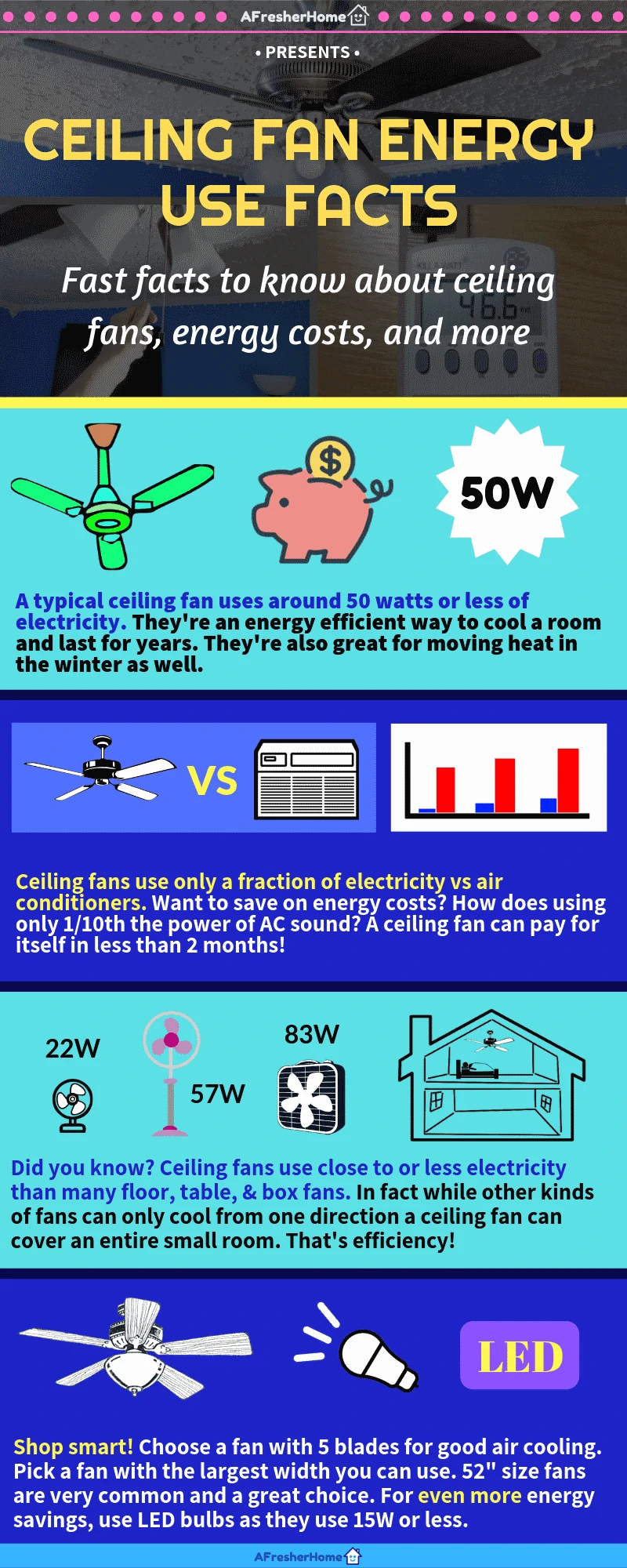 How Much Electricity Does A Ceiling Fan Use? A Helpful Guide For Everyone
So, if you leave the room, turn it off! It's like leaving the lights on when you're not home. Sure, a single light bulb isn't going to bankrupt you, but it all adds up. And why waste energy when nobody is benefiting?
I once knew a guy who left his ceiling fan on 24/7, even when he was on vacation! He figured it would "keep the air circulating." Bless his heart. I gently explained that the air was just circulating in an empty room, and the dust bunnies were probably having a rave. He started turning it off after that.
 Does Leaving a Ceiling Fan on Waste Electricity - Top Ceiling Fans
The Direction Dilemma: Summer vs. Winter
Did you know ceiling fans can spin in two directions? Mind blown, right? In the summer, you want the fan to spin counter-clockwise. This pushes the air down, creating that lovely breeze that makes you feel like you're lounging on a tropical beach (even if you're actually just avoiding doing laundry).
In the winter, you want it to spin clockwise at a low speed. This pulls the warm air that rises to the ceiling back down, helping to distribute the heat more evenly. It's like giving your furnace a little helping hand, which can save you money on your heating bill.
 Does Having the Ceiling Fan on Waste Electricity - Top Ceiling Fans
The Verdict: Fan On or Fan Off?
So, the final answer: Having your ceiling fan on does use electricity, but it's a relatively small amount. The real waste comes from leaving it on when nobody is in the room.
Think of it like this: your ceiling fan is a tool, not a magic wand. Use it wisely, and it can help you stay cool and comfortable without breaking the bank. But remember the golden rule: if you ain't there, turn it off! Your wallet (and the planet) will thank you for it.
Now go forth and fan responsibly!